



For Armenians, a people still living under the shadow of what they regard as "the first genocide of the 20th century” carried out against their ancestors who lived under the Ottoman Empire, the listing ensures protection of a small but treasured piece of their heritage. But a visit to the region today shows that, outside the walls of Ani, what remains of Armenian culture in Turkey is in danger of disappearing entirely.
Armenia's Broken Heritage
In July 2016, the ancient Armenian city of Ani, now in eastern Turkey, was inscribed as a UNESCO World Heritage site.
9
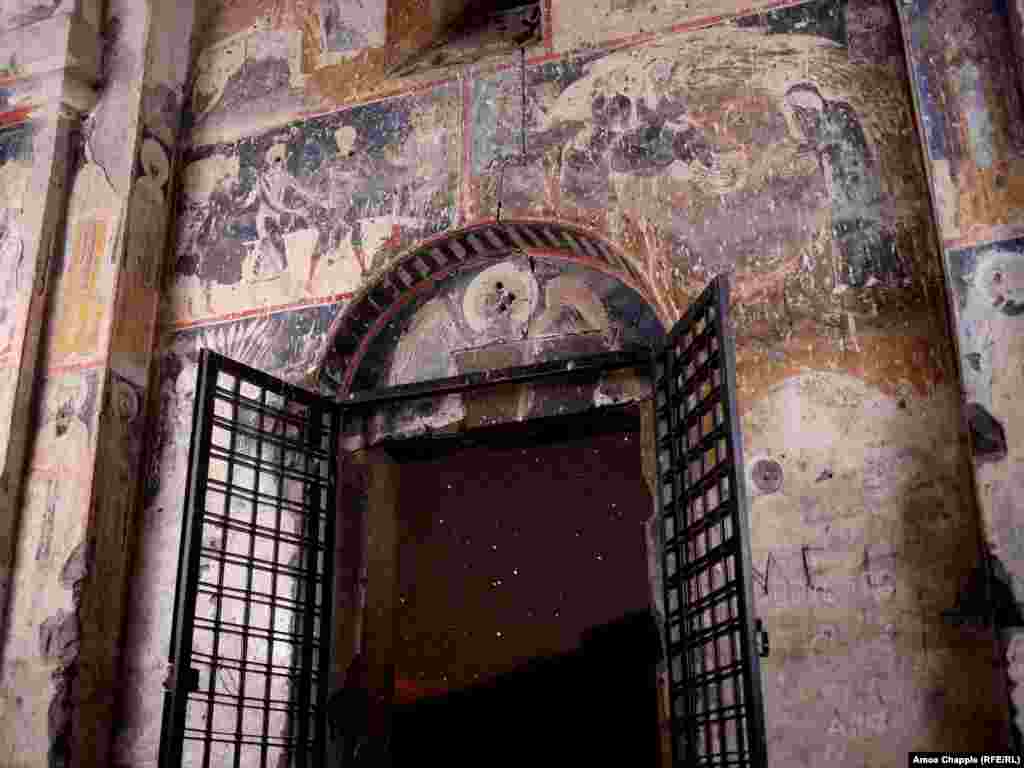
Inside the Church of St Gregory of Tigran Honents. Many of the frescoes inside have been literally defaced. The damage done to Ani may be at an end now that UNESCO has some jurisdiction over the ruins; but outside the UNESCO site, the Armenian heritage in Turkey is at the mercy of a state that seems eager to forget Armenians existed in the region at all.
10
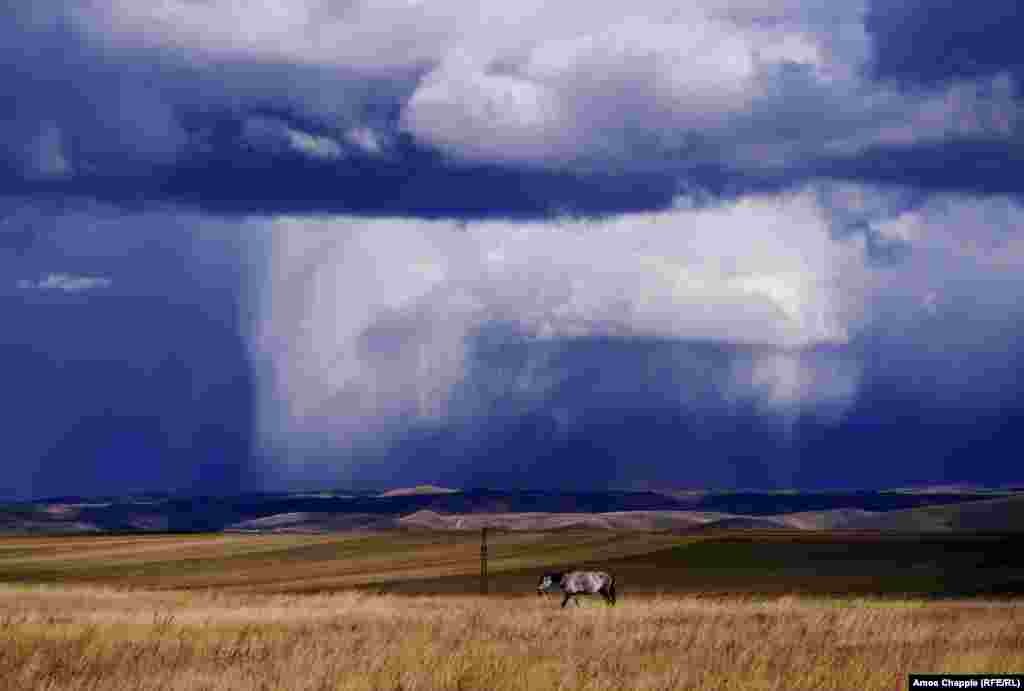
Snow drifting down onto the Armenian side of the border, seen from just outside Ani. Although Ani has stood abandoned for centuries, the land around, like much of today's eastern Turkey, was populated by Armenian communities until the deportation order of 1915 and the ensuing mass killings. More than 1 million ethnic Armenians were killed in what Yerevan and many others regard as the 20th century's first genocide.

11
Kars, a bustling city one hour from Ani, was once around 85 percent Armenian. But today few locals purport to know anything about the "Armenian cemetery" that lies in ruins on a rocky hill above the city.

12
The site is dotted with stone tombstones, many lying face-down. Some of the ancient graves appear to have been dug up by what a local guide calls "treasure hunters."