


Accessibility links

Breaking News

For Now, Fewer Former Afghan Prisoners Returning To The Battlefield

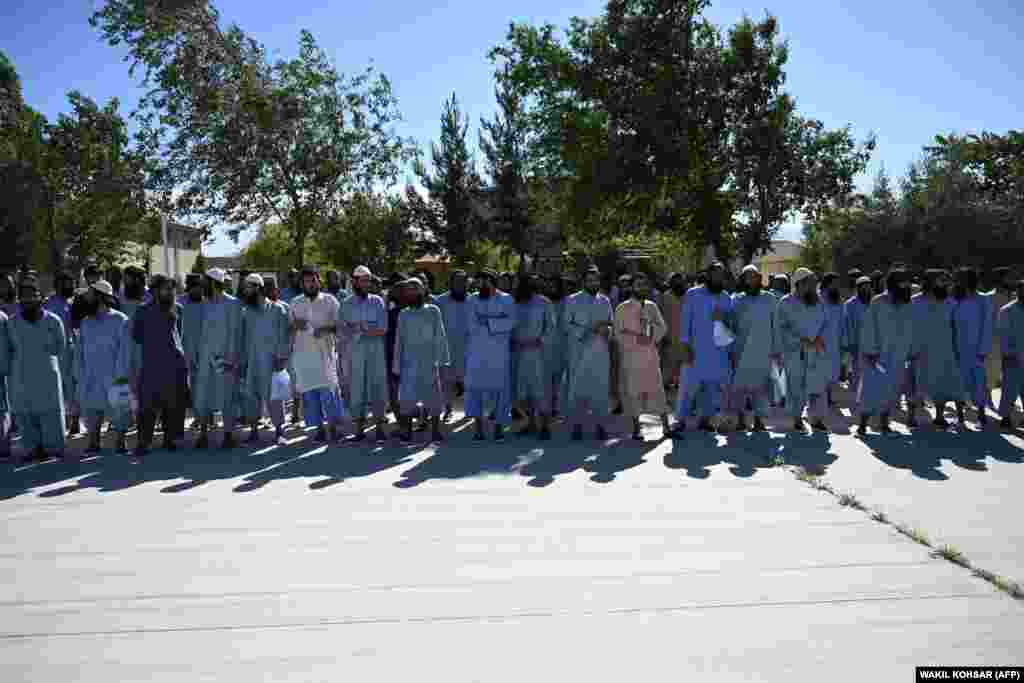
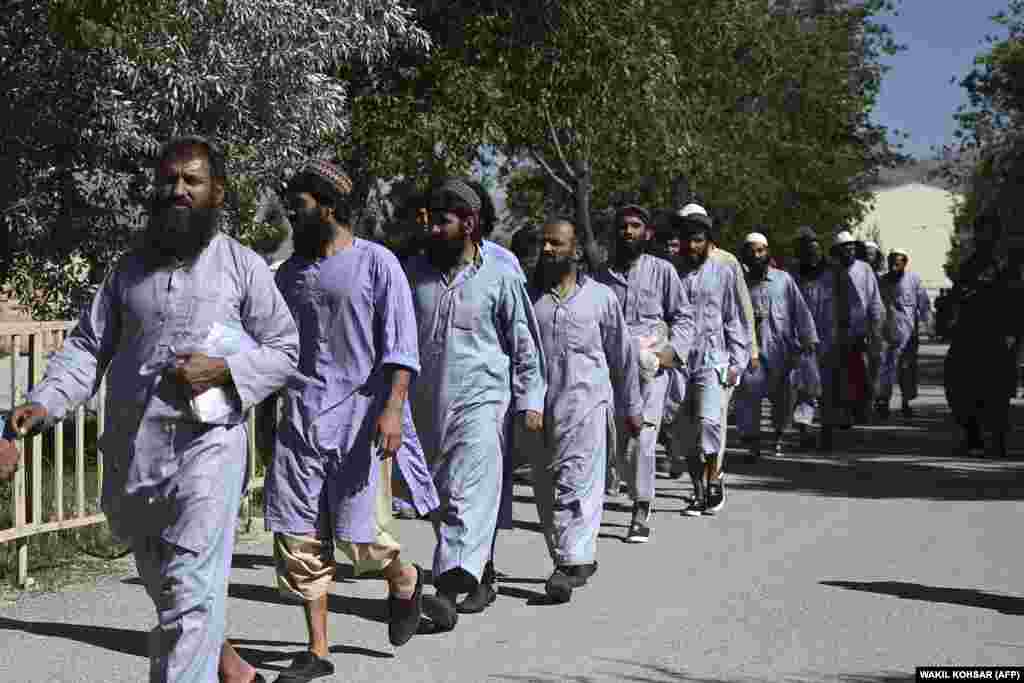
Taliban prisoners stand in a line after their release in the western Afghan city of Herat on June 17.

KABUL -- Weeks after the Afghan government freed thousands of Taliban prisoners in return for the release of hundreds of government soldiers, there is little evidence that former combatants are returning to the battlefield.

In interviews across the country with recently freed Taliban prisoners and Afghan government soldiers, most have expressed a desire to live peacefully with their families.

In an optimistic sign that the warring Afghan sides are interested in negotiating peace, both Afghan officials and Taliban representatives maintain they want to keep former combatants from rejoining the fighting that is claiming hundreds of lives every week.

Abdul Rauf, a former detainee, was released along with hundreds of Taliban prisoners last month. He was sentenced to three years in 2017 after being detained in a midnight raid in his village in the eastern province of Kunar.

“I am very happy to be reunited with my family,” he told Radio Free Afghanistan. “Now I want to stay with my family and help with the farming and looking after our cattle.” Rauf says he has seen no Taliban officials since his release and has no intention of rejoining the militants.

Saifur Rahman, another former Taliban prisoner, says he was freed after serving nearly four years of a 10-year sentence. He, too, says he is eager to join civilian life. “When I was arrested, I had graduated from high school,” he said. “Now I want to continue my education and normal life,” he told Radio Free Afghanistan.

Rauf and Rahman are among more than 3,000 Taliban detainees released by the Afghan government since the hard-line Islamist group signed an initial peace agreement with the United States on February 29. The agreement stipulated that up to 5,000 Taliban prisoners could be freed before the beginning of peace talks between the insurgents and the Afghan government, which were originally scheduled to begin on March 10.

But a host of factors, including the Afghan government’s fears about freed militants rejoining their former comrades in attacks on Afghan forces and civilians, prevented Kabul from freeing Taliban prisoners en masse.

Thanks to robust diplomatic efforts by U.S. officials, Kabul and the Taliban are now poised to complete the prisoner exchange, which envisaged the Taliban freeing some 1,000 government soldiers and workers in return for 5,000 Taliban prisoners.

According to Taliban officials, their freed comrades will rejoin their families. “They have spent a great deal of time in prison. They need to rest and spend time with their families,” said Suhail Shaheen, a Taliban spokesman in Doha. “Some will eventually seek treatment for their illnesses while others will attempt to complete their education.”

Hundreds Of Taliban Prisoners Freed By Afghanistan Under Cease-Fire Deal
Some of the 100 Taliban prisoners released from the Bagram prison north of Kabul on May 25. The release came amid a three-day cease-fire for the Eid al-Fitr holiday that ends the Muslim holy fasting month of Ramadan. Afghan officials called on the Taliban to extend the cease-fire.
1/16 Some of the 100 Taliban prisoners released from the Bagram prison north of Kabul on May 25. The release came amid a three-day cease-fire for the Eid al-Fitr holiday that ends the Muslim holy fasting month of Ramadan. Afghan officials called on the Taliban to extend the cease-fire.
Since early April, Afghanistan has freed some 1,100 Taliban detainees as part of a prisoner-swap deal. The exchange is a precursor to peace talks between the Taliban and an Afghan government delegation aimed at ending the two-decade-old war.​ The agreement was struck in February in Qatar between the Taliban and the United States and lays out a timetable for the withdrawal of U.S. troops from Afghanistan.
Former Taliban prisoners stand in front of a portrait of Afghan President Ashraf Ghani as they attend a ceremony at the governor's office after being released by authorities in Herat on May 26.
2/16 Former Taliban prisoners stand in front of a portrait of Afghan President Ashraf Ghani as they attend a ceremony at the governor's office after being released by authorities in Herat on May 26.
Since early April, Afghanistan has freed some 1,100 Taliban detainees as part of a prisoner-swap deal. The exchange is a precursor to peace talks between the Taliban and an Afghan government delegation aimed at ending the two-decade-old war.​ The agreement was struck in February in Qatar between the Taliban and the United States and lays out a timetable for the withdrawal of U.S. troops from Afghanistan.
Afghan National Army soldiers register Taliban prisoners during their release from Bagram prison, located about 50 kilometers north of Kabul. A spokesman for Afghanistan's national-security adviser said that the former Taliban fighters had promised not to return to the battlefield.
3/16 Afghan National Army soldiers register Taliban prisoners during their release from Bagram prison, located about 50 kilometers north of Kabul. A spokesman for Afghanistan's national-security adviser said that the former Taliban fighters had promised not to return to the battlefield.
Since early April, Afghanistan has freed some 1,100 Taliban detainees as part of a prisoner-swap deal. The exchange is a precursor to peace talks between the Taliban and an Afghan government delegation aimed at ending the two-decade-old war.​ The agreement was struck in February in Qatar between the Taliban and the United States and lays out a timetable for the withdrawal of U.S. troops from Afghanistan.
Taliban members attend a ceremony at the governor's office on May 26 after being released by authorities in Herat. During the cease-fire, Afghan authorities have released some 1,100 Taliban prisoners while the militant group has so far freed 245 Afghan security personnel, civil servants, and other people it had been holding.
4/16 Taliban members attend a ceremony at the governor's office on May 26 after being released by authorities in Herat. During the cease-fire, Afghan authorities have released some 1,100 Taliban prisoners while the militant group has so far freed 245 Afghan security personnel, civil servants, and other people it had been holding.
Since early April, Afghanistan has freed some 1,100 Taliban detainees as part of a prisoner-swap deal. The exchange is a precursor to peace talks between the Taliban and an Afghan government delegation aimed at ending the two-decade-old war.​ The agreement was struck in February in Qatar between the Taliban and the United States and lays out a timetable for the withdrawal of U.S. troops from Afghanistan.
Taliban prisoners during their release from Bagram prison.  A senior Taliban member said the militant group was planning to free about 50 to 100 Afghan security forces members as early as May 28. Under the cease-fire deal, the Taliban has promised to release about 1,000 detainees that it is holding.
5/16 Taliban prisoners during their release from Bagram prison.  A senior Taliban member said the militant group was planning to free about 50 to 100 Afghan security forces members as early as May 28. Under the cease-fire deal, the Taliban has promised to release about 1,000 detainees that it is holding.
Since early April, Afghanistan has freed some 1,100 Taliban detainees as part of a prisoner-swap deal. The exchange is a precursor to peace talks between the Taliban and an Afghan government delegation aimed at ending the two-decade-old war.​ The agreement was struck in February in Qatar between the Taliban and the United States and lays out a timetable for the withdrawal of U.S. troops from Afghanistan.
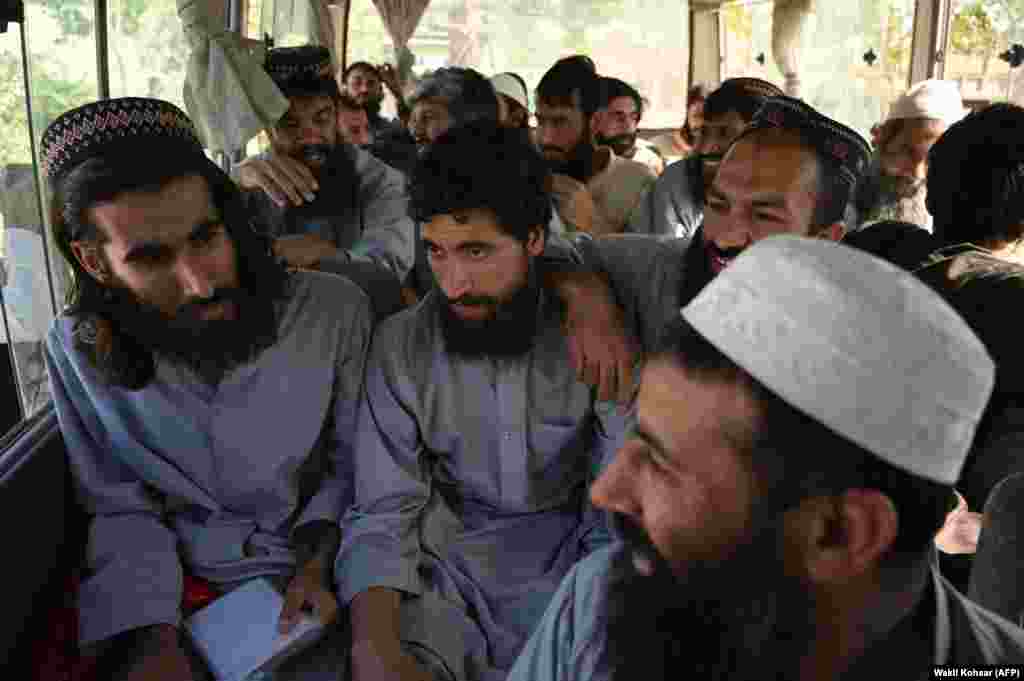
Taliban prisoners sit inside a vehicle during their release from Bagram prison.
6/16 Taliban prisoners sit inside a vehicle during their release from Bagram prison.
Since early April, Afghanistan has freed some 1,100 Taliban detainees as part of a prisoner-swap deal. The exchange is a precursor to peace talks between the Taliban and an Afghan government delegation aimed at ending the two-decade-old war.​ The agreement was struck in February in Qatar between the Taliban and the United States and lays out a timetable for the withdrawal of U.S. troops from Afghanistan.
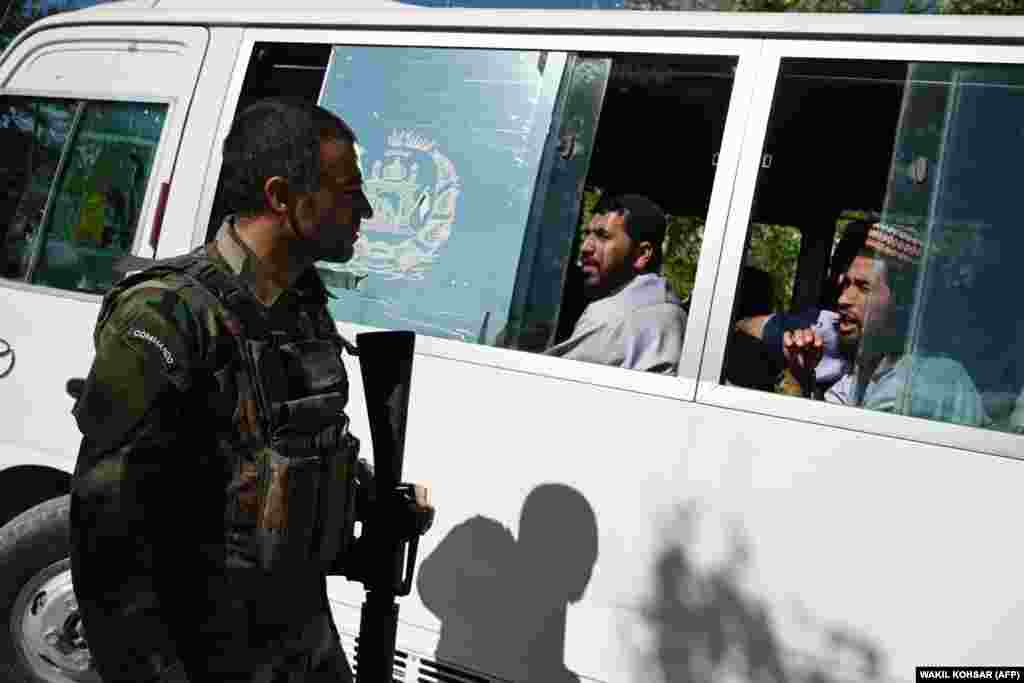
An Afghan National Army soldier talks with Taliban prisoners as they sit inside a vehicle during their release from Bagram prison.
7/16 An Afghan National Army soldier talks with Taliban prisoners as they sit inside a vehicle during their release from Bagram prison.
Since early April, Afghanistan has freed some 1,100 Taliban detainees as part of a prisoner-swap deal. The exchange is a precursor to peace talks between the Taliban and an Afghan government delegation aimed at ending the two-decade-old war.​ The agreement was struck in February in Qatar between the Taliban and the United States and lays out a timetable for the withdrawal of U.S. troops from Afghanistan.
Taliban prisoners sit inside a vehicle during their release from Bagram prison.
8/16 Taliban prisoners sit inside a vehicle during their release from Bagram prison.
Since early April, Afghanistan has freed some 1,100 Taliban detainees as part of a prisoner-swap deal. The exchange is a precursor to peace talks between the Taliban and an Afghan government delegation aimed at ending the two-decade-old war.​ The agreement was struck in February in Qatar between the Taliban and the United States and lays out a timetable for the withdrawal of U.S. troops from Afghanistan.
Afghan National Army soldiers escort a convoy of Taliban prisoners during their release from Bagram prison, outside the U.S. military base in Bagram, some 50 kilometers north of Kabul.
9/16 Afghan National Army soldiers escort a convoy of Taliban prisoners during their release from Bagram prison, outside the U.S. military base in Bagram, some 50 kilometers north of Kabul.
Since early April, Afghanistan has freed some 1,100 Taliban detainees as part of a prisoner-swap deal. The exchange is a precursor to peace talks between the Taliban and an Afghan government delegation aimed at ending the two-decade-old war.​ The agreement was struck in February in Qatar between the Taliban and the United States and lays out a timetable for the withdrawal of U.S. troops from Afghanistan.
An Afghan National Army soldier escorts Taliban prisoners during their release from Bagram prison.
10/16 An Afghan National Army soldier escorts Taliban prisoners during their release from Bagram prison.
Since early April, Afghanistan has freed some 1,100 Taliban detainees as part of a prisoner-swap deal. The exchange is a precursor to peace talks between the Taliban and an Afghan government delegation aimed at ending the two-decade-old war.​ The agreement was struck in February in Qatar between the Taliban and the United States and lays out a timetable for the withdrawal of U.S. troops from Afghanistan.
Taliban prisoners during their release from Bagram prison on May 25.
11/16 Taliban prisoners during their release from Bagram prison on May 25.
Since early April, Afghanistan has freed some 1,100 Taliban detainees as part of a prisoner-swap deal. The exchange is a precursor to peace talks between the Taliban and an Afghan government delegation aimed at ending the two-decade-old war.​ The agreement was struck in February in Qatar between the Taliban and the United States and lays out a timetable for the withdrawal of U.S. troops from Afghanistan.
Former Taliban prisoners stop a taxi in the Afghan capital, Kabul, on May 26 -- a day after their release from Bagram prison.
12/16 Former Taliban prisoners stop a taxi in the Afghan capital, Kabul, on May 26 -- a day after their release from Bagram prison.
Since early April, Afghanistan has freed some 1,100 Taliban detainees as part of a prisoner-swap deal. The exchange is a precursor to peace talks between the Taliban and an Afghan government delegation aimed at ending the two-decade-old war.​ The agreement was struck in February in Qatar between the Taliban and the United States and lays out a timetable for the withdrawal of U.S. troops from Afghanistan.
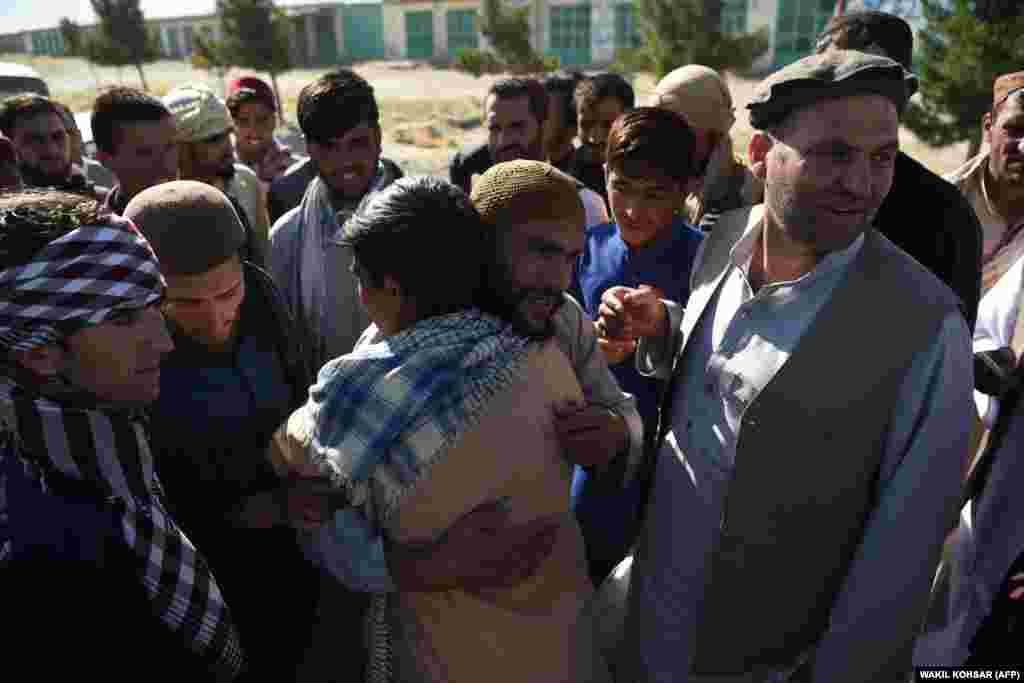
A freed Taliban member hugs relatives after his release from Bagram prison on May 25.
13/16 A freed Taliban member hugs relatives after his release from Bagram prison on May 25.
Since early April, Afghanistan has freed some 1,100 Taliban detainees as part of a prisoner-swap deal. The exchange is a precursor to peace talks between the Taliban and an Afghan government delegation aimed at ending the two-decade-old war.​ The agreement was struck in February in Qatar between the Taliban and the United States and lays out a timetable for the withdrawal of U.S. troops from Afghanistan.
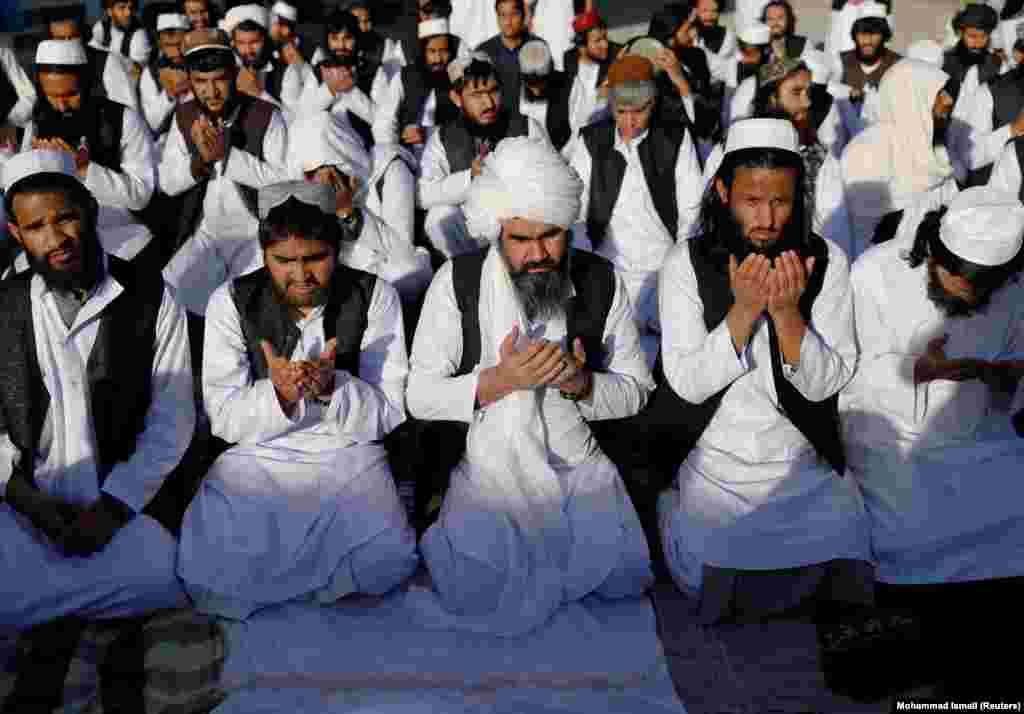
Some of the 900 Taliban prisoners pray on May 26 after being released from Pul-e-Charkhi prison, Afghanistan's largest detention facility.
14/16 Some of the 900 Taliban prisoners pray on May 26 after being released from Pul-e-Charkhi prison, Afghanistan's largest detention facility.
Since early April, Afghanistan has freed some 1,100 Taliban detainees as part of a prisoner-swap deal. The exchange is a precursor to peace talks between the Taliban and an Afghan government delegation aimed at ending the two-decade-old war.​ The agreement was struck in February in Qatar between the Taliban and the United States and lays out a timetable for the withdrawal of U.S. troops from Afghanistan.
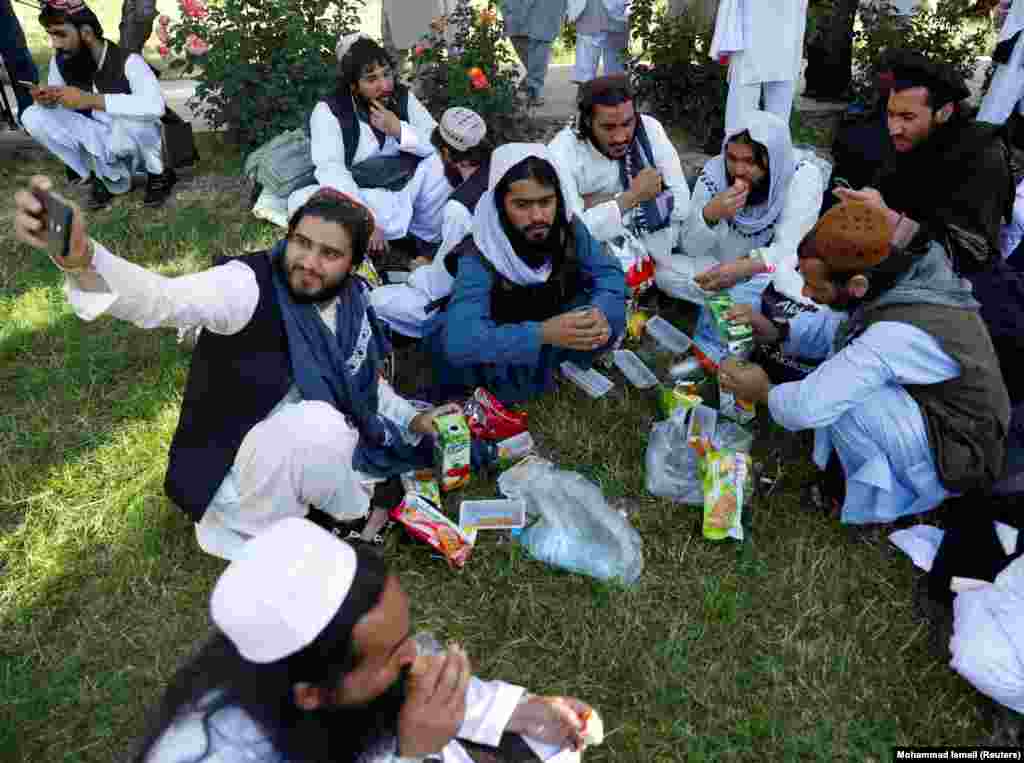
A newly freed Taliban prisoner takes a selfie as others have juice and biscuits outside Pul-e-Charkhi prison near Kabul on May 26. Former detainees were given new clothes and cash.
15/16 A newly freed Taliban prisoner takes a selfie as others have juice and biscuits outside Pul-e-Charkhi prison near Kabul on May 26. Former detainees were given new clothes and cash.
Since early April, Afghanistan has freed some 1,100 Taliban detainees as part of a prisoner-swap deal. The exchange is a precursor to peace talks between the Taliban and an Afghan government delegation aimed at ending the two-decade-old war.​ The agreement was struck in February in Qatar between the Taliban and the United States and lays out a timetable for the withdrawal of U.S. troops from Afghanistan.
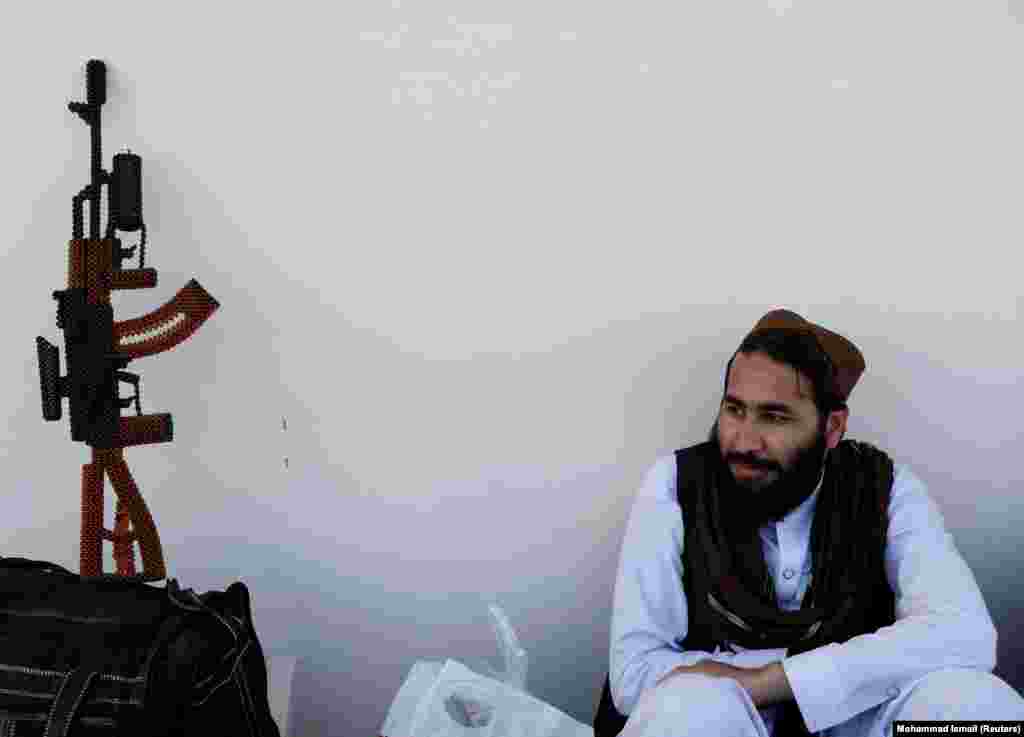
A freed Taliban member sits outside Pul-e-Charkhi prison on May 26. Many former detainees were transported to their homes after their release.
16/16 A freed Taliban member sits outside Pul-e-Charkhi prison on May 26. Many former detainees were transported to their homes after their release.
Since early April, Afghanistan has freed some 1,100 Taliban detainees as part of a prisoner-swap deal. The exchange is a precursor to peace talks between the Taliban and an Afghan government delegation aimed at ending the two-decade-old war.​ The agreement was struck in February in Qatar between the Taliban and the United States and lays out a timetable for the withdrawal of U.S. troops from Afghanistan.
Previous slide
Next slide

He rejected claims that some of the former Taliban detainees are rejoining the fighting. “We now have enough forces and do not need more fighters as we move toward the intra-Afghan negotiations,” he noted.

Rauf and Rahman say they signed a government pledge to refrain from returning to violence. But some freed Taliban prisoners, however, are open about their intentions to rejoin the militants.

“If the Americans do not pull out, we will continue our jihad because they have killed many Afghans in their operations," Mohamed Daud, a freed Taliban prisoner, told the AFP. "We do not want foreign forces in our country anymore."

Requesting anonymity because they are not authorized to talk to the media, security officials in the southeast province of Paktia say some freed Taliban in the restive region have already rejoined their comrades in fighting them on the front lines.

Compared with the former Taliban detainees, interviewing freed government soldiers is more difficult due to official restrictions. They are also far fewer in number and include civilian workers for the government.

Nasratullah, who goes by one name only, fought for the Afghan Army against the Taliban along a dangerous front-line in the southern province of Uruzgan. He was recently released by the insurgents and has been reunited with his family in the southeast province of Khost. He says the government has not contacted him after his return.

“We buy and sell cars and motorcycles,” he said of his family business. “I am happy and see no problem in my new life.”

Intizar Khadim, a senior official of Afghan National Security Council, is vague about prospects for the Afghan soldiers recently released by the Taliban.

“We are in contact with them after their return. In accordance with the specific instructions of the Afghan president, we are helping them, and they will be rewarded for their service,” he told Radio Free Afghanistan. “We know they have protected Afghanistan’s borders and interests.”

It is not clear whether freed government soldiers will be re-enlisted.

In a sign that the Taliban and the Afghan government are poles apart on agreeing to reduce hostilities, a top Afghan government official blamed the Taliban for mounting increased attacks ahead of peace talks expected to begin soon.

Javid Faisal, a spokesman for the Afghan National Security Council, says the Taliban have killed 291 Afghan security personnel and wounded 550 others in the past week alone.

“The past week was the deadliest” in Afghanistan's 18-year war, he said, adding that the Taliban carried out 422 attacks across 32 provinces. “The Taliban's commitment to reduce violence is meaningless, and their actions inconsistent with their rhetoric on peace,” Faisal wrote.

But a Taliban spokesman rejected Kabul’s casualty figures. “The enemy aims to hurt the peace process and intra-Afghan talks by releasing such false reports," Zabihullah Mujahid told the AFP while admitting the militant group did carry out “some attacks last week, but they were mostly in defense."

Such contradictory claims have been common during the more than four decades of war in Afghanistan. Various groups and regimes have historically faced no dearth of potential fighters among the country’s impoverished millions so long as they could mobilize resources.

Abubakar Siddique wrote this story based on Radio Free Afghanistan correspondent Ajmal Torman’s reporting from Kabul, Afghanistan.

  • 16x9 Image

    Abubakar Siddique

    Abubakar Siddique, a journalist for RFE/RL's Radio Azadi, specializes in the coverage of Afghanistan and Pakistan. He is the author of The Pashtun Question: The Unresolved Key To The Future Of Pakistan And Afghanistan.

This item is part of
XS
SM
MD
LG